
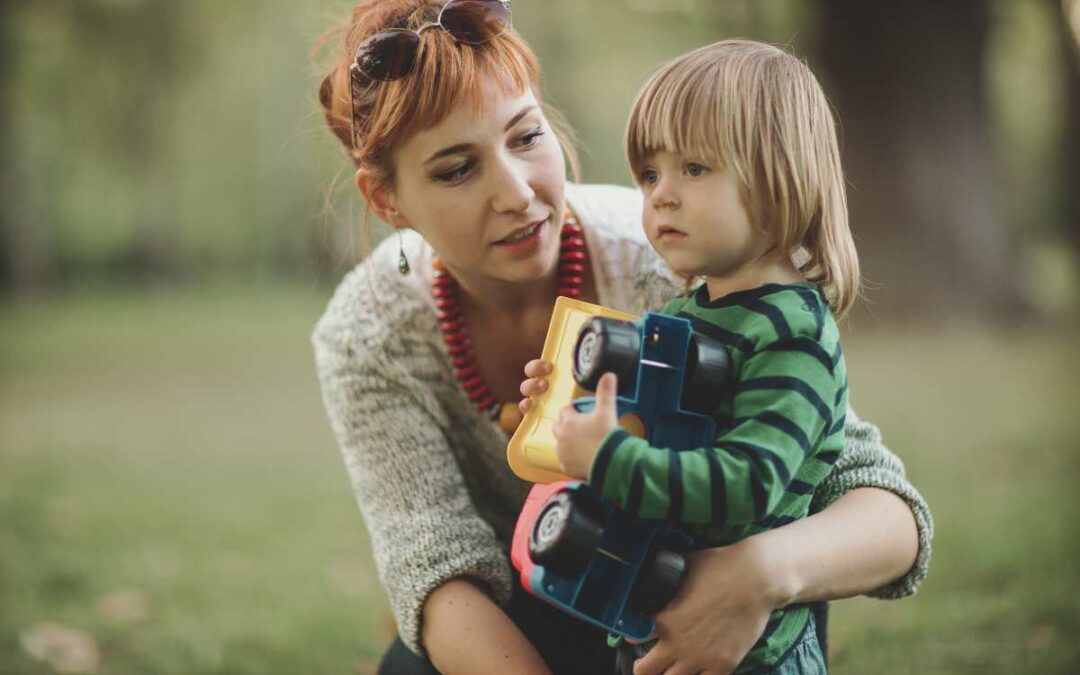
Recognizing anxiety patterns in children involves noticing how emotions, behavior, thoughts, and physical reactions tend to organize themselves over time when a child feels uncertain, pressured, or overwhelmed. What often brings parents here is not a single incident, but a growing sense that certain reactions are becoming more frequent, more intense, or harder for a child to move through than expected.
Children rarely express internal distress in direct ways. Instead of naming worry, they may show it through behavior, physical complaints, or shifts in routines that once felt manageable. When these reactions are viewed one at a time, they can seem unrelated or easy to dismiss. When they are viewed together, patterns begin to emerge. Paying attention to how often these reactions occur, how strongly they show up, how quickly a child recovers, and whether daily life feels increasingly constrained helps shift understanding from isolated moments to an overall picture. This page is meant to support that kind of clarity, offering a way to observe what is happening without assigning labels or drawing conclusions.
What Is Anxiety in Children (Recognition Scope)
Before looking at patterns or thresholds, it helps to pause and clarify how the word anxiety is being used here and where its limits are. In everyday language, the term often carries weight, which can quietly turn observation into interpretation. Keeping the meaning clear makes it easier to stay grounded in what is actually being noticed.
In this context, anxiety refers to a nervous system response. When a child experiences uncertainty, pressure, or perceived threat, their body and mind may shift into a heightened state of alert. That response can involve emotions, physical sensations, thoughts, or changes in behavior. Recognizing anxiety at this level focuses on how these responses appear and repeat over time, not on whether they fit a diagnosis or label.
It is also important to distinguish anxiety from related experiences such as stress or fear. Fear is usually tied to an immediate situation and tends to ease once that situation passes. Stress often reflects external demands and may rise or fall as circumstances change. Anxiety differs in that the nervous system can remain activated even after the situation itself has ended. When these distinctions blur, normal developmental responses can be misread, while more persistent patterns may go unnoticed.
Recognition has clear boundaries. Paying attention to frequency, intensity, recovery, and impact on daily life can help organize what is being observed and reduce confusion. What recognition cannot do is explain causes, predict outcomes, or determine what should happen next. Its role is intentionally limited, offering clarity without adding pressure, labels, or conclusions.
When to Worry About Anxiety in Children

Parents often describe a quiet turning point where everyday worry starts to feel harder to place. The question is not whether anxiety exists, but when patterns begin to matter. There is no single signal that answers this. Recognition becomes clearer when several thresholds are considered together, over time, rather than in isolation.
This framework stays intentionally limited. It does not determine causes, outcomes, or diagnoses. Its role is to organize observation in a way that reduces confusion and prevents both minimization and over-interpretation.
When clinicians and child development researchers talk about concern, they usually look at the interaction between five factors rather than any one on its own.
Early Signs That Often Appear First
Early anxiety-related patterns are usually subtle and easy to misread. They tend to show up as small shifts rather than clear distress. A child may hesitate more than usual, seek reassurance more frequently, or show increased sensitivity around transitions, uncertainty, or separation.
Guidance from the American Academy of Child and Adolescent Psychiatry notes that early signs often involve changes in how a child approaches everyday situations rather than obvious fear. Examples can include avoiding activities that were previously manageable, asking repeated what if questions, or reporting physical discomfort such as stomachaches without a clear medical explanation. On their own, these experiences are common in childhood.
What makes these signs relevant is direction, not severity. Child mental health frameworks referenced by the National Institute of Mental Health emphasize that early patterns become more meaningful when similar reactions start to repeat across comparable situations or gradually expand into new ones. At this stage, observation stays focused on noticing change over time, not on drawing conclusions.
These early patterns provide context for the thresholds that follow. They help explain why questions about duration, frequency, intensity, recovery, and daily impact become useful later, without turning initial observation into interpretation
Duration and Frequency of Anxiety Signs
Time patterns often provide more clarity than isolated moments. Short periods of worry, hesitation, or distress are common in childhood, especially during transitions or unfamiliar situations. Duration refers to how long similar reactions have been showing up across weeks or months, while frequency looks at how often they appear during that period.
A response that surfaces once during a stressful stretch carries a different meaning than one that appears repeatedly across many settings. Neither duration nor frequency defines concern on its own. Together, they help distinguish between passing responses and more persistent patterns.
Intensity of the Anxiety Response
Intensity describes how strongly a child’s nervous system reacts compared to what is happening around them. Children vary widely in emotional expression, so this is always relative rather than absolute.
What becomes relevant is when similar situations consistently trigger reactions that feel overwhelming for the child, even when the external demand is modest. Intensity does not imply something is wrong. It adds context to how much internal effort the child is using to manage the experience.
Recovery After Reassurance or Exposure
How a child recovers can be as informative as how they react. Many children become upset and then settle once the situation passes or they feel safe again. Recovery looks at the speed and completeness of that return to baseline.
When settling happens slowly, feels incomplete, or remains difficult long after the moment has ended, it suggests the nervous system may be staying activated longer than expected. Recovery helps clarify whether reactions move through the system or tend to linger.
Impact on Daily Functioning
Daily functioning often carries the most weight because it reflects how internal experiences intersect with real life. This includes participation at school, sleep routines, relationships, and engagement in activities the child typically enjoys.
Temporary disruption is common during stressful periods. Functional impact becomes more meaningful when interference is frequent, persistent, or shows up across multiple areas of a child’s life. This threshold helps keep recognition anchored in lived experience rather than isolated behaviors.
Sources That Inform This Recognition Framework
- American Academy of Child and Adolescent Psychiatry. Anxiety Disorders Resource Center.
- National Institute of Mental Health. Anxiety Disorders in Children and Adolescents.
- Centers for Disease Control and Prevention. Children’s Mental Health: Anxiety and Behavior.
- World Health Organization. Child and Adolescent Mental Health Overview.
Normal Worries vs Anxiety in Children

Many parents notice moments of worry in their children and wonder what those moments mean. Worry is a normal part of development. Children face new situations constantly, from starting school to navigating friendships, and it makes sense that their nervous systems respond. The question usually is not whether worry exists, but how to tell when it stays within typical bounds versus when it starts to follow a different pattern.
Child development research consistently distinguishes between temporary worry and persistent anxiety based on patterns over time rather than single reactions. Guidance from organizations such as the American Academy of Child and Adolescent Psychiatry and the National Institute of Mental Health emphasizes that intensity, duration, and recovery matter more than the presence of worry itself.
How Typical Worry and Anxiety Patterns Differ
To keep observation grounded, it helps to compare these experiences side by side. The goal is not to label a child, but to clarify what is being seen.
| Aspect | Typical Worry | Anxiety Patterns |
|---|---|---|
| Duration | Short-lived and tied to a specific situation | Tends to persist across weeks or months |
| Response level | Proportional to what is happening | Feels overwhelming compared to the situation |
| Recovery | Settles once the situation passes or reassurance is felt | Difficulty returning to baseline even after the moment ends |
| Avoidance | May hesitate, then re-engage | Increasing avoidance of similar situations |
| Impact on daily life | Limited disruption | Repeated interference with routines or participation |
This comparison reflects how child psychologists describe patterns in practice, rather than diagnostic criteria. The Centers for Disease Control and Prevention notes that many children experience worries that come and go, especially during periods of change, and that persistence and impact are key factors when concern deepens.
Why These Differences Matter
Temporary worries usually move through a child’s system and resolve on their own. They can even support learning and adaptation. Anxiety patterns, by contrast, tend to recycle the same internal alarm, making it harder for the child to regain a sense of ease after the trigger has passed.
What matters most is not whether a child feels anxious at times, but whether those feelings remain flexible. When worry narrows a child’s world or repeatedly interrupts sleep, school, or relationships, it signals a different pattern than everyday concern. This distinction helps parents stay oriented without jumping ahead to explanations, causes, or conclusions.
Signs of Anxiety in Children by Age Group

Children do not experience anxiety in a single, uniform way. What shows up at one age can look very different at another, not because the concern is bigger or smaller, but because a child’s nervous system, language skills, and ability to make sense of stress are still developing. Viewing anxiety through an age lens helps keep observation grounded and prevents misreading developmentally normal behavior as something more than it is.
Across ages, the focus stays the same: noticing patterns over time, not isolated moments, and understanding how a child’s stage of development shapes what those patterns look like.
Anxiety Signs in Toddlers and Preschoolers
At this stage, children rely heavily on caregivers to regulate stress. When anxiety is present, it often shows up through closeness-seeking and changes in behavior rather than words.
Common observations at this age may include separation distress that feels more intense or longer-lasting than expected, increased clinginess in familiar settings, or temporary regression such as changes in sleep, toileting, or independence. These behaviors reflect limited coping capacity rather than conscious worry. What matters most is whether the child can settle again with reassurance and routine, not whether distress appears at all.
Anxiety Signs in School-Age Children
As children enter school years, expectations expand and anxiety may become more visible around performance, routines, or physical sensations.
Parents may notice repeated school avoidance, strong distress around making mistakes, or frequent physical complaints such as stomachaches or headaches without a clear medical cause. At this age, children are better able to anticipate stress, which can lead to worry cycles that repeat across days or weeks. Observation centers on whether distress eases once the situation passes or continues to interfere with participation.
Anxiety Signs in Adolescents
During adolescence, anxiety often becomes less outwardly expressive and more internalized. Social awareness and evaluation take on greater importance, and stress responses may appear as withdrawal rather than visible fear.
Signs can include increased social avoidance, irritability that replaces earlier expressions of fear, or strong discomfort around evaluation, performance, or judgment. Because independence is increasing at this stage, anxiety may show up as disengagement rather than requests for reassurance. Context matters here, especially changes from a teen’s usual behavior over time.
How Age Shapes Anxiety Expression at a Glance
To support quick comparison without reducing nuance, the table below summarizes how anxiety patterns often present across developmental stages. These are not criteria or labels, but orientation points drawn from child development research and pediatric mental health guidance, including the American Academy of Pediatrics and the National Institute of Mental Health.
| Developmental Stage | Common Expression Style | What to Watch Over Time |
|---|---|---|
| Toddlers & Preschoolers | Clinginess, separation distress, regression | Ability to settle with routine and reassurance |
| School-Age Children | Avoidance, perfectionism, physical complaints | Repetition and impact on daily participation |
| Adolescents | Withdrawal, irritability, evaluation avoidance | Changes from baseline and persistence across settings |
Age context does not explain everything, but it does protect against over-interpretation. The same behavior can carry very different meaning depending on a child’s developmental capacity, environment, and ability to recover after stress.
Emotional, Behavioral, Physical, and Cognitive Signs of Anxiety in Children

Anxiety rarely shows up in only one way. For many children, it moves across emotional reactions, behaviors, physical sensations, and patterns of thinking. Seeing these domains together helps explain why anxiety can feel confusing or inconsistent from the outside. These domains are not categories for labeling or conclusions. They are recognition lenses that make patterns easier to organize without turning observation into diagnosis.
Child mental health research from sources such as the National Institute of Mental Health and the American Academy of Child and Adolescent Psychiatry consistently describes anxiety as a whole-system response. Because of this, no single sign carries meaning on its own. What matters is how signs cluster, repeat, and interact with duration, intensity, recovery, and daily functioning.
Emotional Signs of Anxiety
Emotional signs reflect how anxiety is experienced internally. Children may not always have words for this, especially at younger ages, so these signs are often inferred through mood and emotional tone rather than direct statements.
Patterns that caregivers sometimes notice include ongoing worry that does not settle easily, heightened fear reactions to everyday situations, or emotional overwhelm when demands feel manageable to others. Short periods of emotional intensity are common. These signs become more meaningful when they persist across situations and do not resolve after reassurance or rest.
Behavioral Signs of Anxiety
Behavioral signs are often the most visible because they affect what a child does or avoids. These behaviors are best understood as efforts to manage internal discomfort, not as intentional defiance or choice.
Examples include avoidance of specific situations, repeated reassurance-seeking, or withdrawal from activities that were previously tolerated. The behavior itself is less important than the pattern. When avoidance expands over time or makes it harder for the child to re-engage, it adds important context to what is being observed.
Physical and Somatic Signs of Anxiety
For many children, anxiety shows up through the body. Pediatric health guidance from the Centers for Disease Control and Prevention notes that physical complaints are a common way stress and nervous system activation surface in childhood.
Recurring stomachaches, headaches, muscle tension, or sleep disruption are often part of this picture. These sensations are real physiological responses, not exaggeration. As with other domains, significance depends on repetition, persistence, and whether these physical signs interfere with routines such as sleep, school attendance, or play.
Cognitive Signs of Anxiety
Cognitive signs involve how a child thinks about uncertainty and possibility. These patterns become more noticeable as children develop the ability to anticipate outcomes and imagine future scenarios.
Caregivers may notice catastrophic thinking, where small concerns escalate quickly, or strong discomfort with uncertainty that leads to repeated questioning or mental rehearsal. These thought patterns exist on a spectrum. They become more relevant when they dominate attention and feed emotional or behavioral distress over time.
How Anxiety Signs Cluster Across Domains
To support quick orientation without flattening nuance, the table below summarizes how anxiety can appear across domains. These are recognition indicators, not criteria or labels.
| Domain | How Anxiety May Appear | What Adds Context |
|---|---|---|
| Emotional | Persistent worry, heightened fear, overwhelm | Duration and ability to settle |
| Behavioral | Avoidance, reassurance-seeking, withdrawal | Expansion across settings |
| Physical | Stomachaches, headaches, sleep disruption | Repetition and daily interference |
| Cognitive | Catastrophic thinking, intolerance of uncertainty | Impact on mood and behavior |
These domains are most useful when viewed together. A single sign rarely explains much on its own. Patterns across domains help clarify how anxiety is being expressed, while keeping recognition grounded and restrained.
Sources: National Institute of Mental Health, American Academy of Child and Adolescent Psychiatry, Centers for Disease Control and Prevention, and World Health Organization child and adolescent mental health guidance.
Situations Where Anxiety Commonly Appears

Anxiety often becomes easier to recognize when it is viewed in context. Many signs only make sense once they are connected to the situations that trigger them. A child’s reaction before school, at bedtime, or during social activities can look very different from the same reaction in a neutral setting. Anchoring observations to real-world contexts helps interpret emotional, behavioral, physical, and cognitive signs more accurately, without overreading isolated moments.
Child mental health guidance from organizations such as the National Institute of Mental Health and the American Academy of Child and Adolescent Psychiatry consistently emphasizes that context shapes how anxiety is expressed. The same nervous system response can look subtle in one situation and intense in another, depending on demands, expectations, and perceived safety.
School Anxiety and School Refusal
School is one of the most common settings where anxiety becomes visible. It brings together academic demands, social interaction, separation from caregivers, and performance expectations, often all at once.
Caregivers may notice distress that builds in the morning, frequent complaints of feeling unwell before school, or strong resistance to attending despite reassurance. What matters is not occasional reluctance, which is common, but repeated patterns that appear most school days and ease once the child is allowed to stay home. According to the Centers for Disease Control and Prevention, anxiety-related school avoidance often reflects difficulty tolerating the anticipatory stress of the school day rather than problems with learning ability itself.
Separation and Transitions
Periods of separation and transition place direct strain on a child’s sense of safety. This includes drop-offs at school or childcare, changes in routine, travel, or caregiver absence.
Anxiety in these situations may show up as intense distress during goodbyes, persistent worry about a caregiver’s return, or difficulty settling into new routines. Brief separation protest is a normal part of development, especially in younger children. Patterns become more relevant when distress remains intense over time or spreads to multiple transition points rather than easing with familiarity.
Bedtime and Sleep
Bedtime is another context where anxiety frequently surfaces. As external distractions fade, worries and fears can become more noticeable.
Children may have difficulty falling asleep, express nighttime fears, or seek repeated reassurance after lights out. Pediatric sleep research notes that anxiety-related sleep disruption often reflects heightened arousal rather than defiance or poor habits. Occasional sleep difficulties are common. Repeated disruption that affects daytime functioning adds important context to what is being observed.
Social and Performance Situations
Situations involving peers or evaluation often trigger anxiety, particularly for school-age children and adolescents. These settings can activate concerns about judgment, mistakes, or belonging.
Caregivers may notice avoidance of social activities, distress before performances or presentations, or withdrawal from situations that involve being observed. Some hesitation is developmentally typical, especially in new or high-pressure settings. Patterns become more meaningful when avoidance increases over time or begins to limit participation in activities the child previously tolerated.
Across all of these situations, context does not explain everything on its own. It works alongside duration, intensity, recovery, and impact on daily life. Situational patterns help clarify how anxiety is being expressed, while keeping recognition grounded in real experience rather than assumptions.
When Anxiety Looks Like Anger or Defiance
Some anxiety responses in children do not look quiet or withdrawn. They can show up as irritability, sharp reactions, or behavior that appears oppositional on the surface. This can be confusing for adults because the outward behavior reads as anger, even when the underlying driver is emotional overload rather than intent to defy.
From a nervous system perspective, anxiety can push a child into a heightened state of alert. When that state lasts, small demands or changes can feel unmanageable. The result may be snapping, refusal, or emotional intensity that seems out of proportion to the situation. In these moments, the behavior is less about testing limits and more about a system that is struggling to process stress in real time.
Child development and mental health literature describe this pattern as a stress response rather than a character issue. For example, guidance from the American Academy of Child and Adolescent Psychiatry explains that anxiety in children may present through irritability or emotional reactivity when the nervous system is overloaded, especially if the child does not yet have the language to explain what feels wrong. This framing helps separate what is being seen from assumptions about motivation or intent.
Understanding this distinction matters because it changes how behavior is interpreted. Anger or defiance, in this context, does not confirm a behavioral problem on its own. It signals the need to look at the surrounding emotional load, expectations, and environment before drawing conclusions about what the behavior means.
Temperament vs Anxiety: How to Tell the Difference
Children differ naturally in how they move through the world. Some are cautious. Some are deeply sensitive. Some think things through carefully before acting. These traits can shape how a child reacts to new situations, pressure, or uncertainty, and they are not problems on their own.
Temperament tends to show up as a consistent style over time. Developmental psychology research summarized by the American Psychological Association describes temperament as early-emerging differences in emotional reactivity and self-regulation that often remain fairly stable as children grow. A shy child may warm up slowly but still engage once they feel settled. A sensitive child may notice changes or emotions more deeply but recover with familiarity. A perfectionistic child may care a great deal about doing things well without becoming stuck in distress.
Anxiety can look similar on the outside, but the experience underneath it can feel more consuming. Public-facing child mental health guidance from the National Institute of Mental Health emphasizes that anxiety becomes more concerning when worry or fear is persistent, difficult to control, and begins to interfere with everyday life. In that picture, distress does not ease simply because a setting becomes familiar. Tension lingers. Avoidance can expand. Recovery can take longer.
Parents sometimes describe the difference like this: temperament shapes how a child approaches the world, while anxiety begins to shape whether they feel able to engage with it. That distinction is not always obvious in the moment, which is why confusion between the two is so common.
This is not about sorting children into categories. It is about noticing patterns over time and staying curious about whether a child’s natural style still leaves room for flexibility, rest, and participation.
Why Anxiety Patterns Continue Over Time
Anxiety in children can be confusing because it often does not fade on its own once a situation becomes familiar. Instead, certain patterns can quietly repeat, even when everyone involved is trying to help. Understanding why those patterns continue can make what you are seeing feel more coherent, rather than random or escalating.
One commonly described pattern in child mental health research is the avoidance–relief loop. Cognitive and behavioral models summarized by organizations like the American Psychological Association explain that when a child avoids something that feels overwhelming, their distress usually drops quickly. That drop can feel like proof that avoidance worked. Over time, the brain learns to associate avoidance with relief, even though the underlying fear never has a chance to settle on its own.
A similar pattern can show up through reassurance-seeking. Guidance from the National Institute of Mental Health notes that repeated reassurance can calm anxiety briefly, but the relief often wears off fast. When worry returns, the child may seek reassurance again, creating a cycle that repeats rather than resolves. From the outside, this can look like the anxiety is growing, when it is actually being reinforced by short-term calming moments.
What matters for recognition is not blaming the child or the response around them. These cycles are observable patterns, not intentional choices. They help explain why anxiety can appear persistent across weeks or months, even when adults are attentive and supportive.
Seeing anxiety through this lens keeps the focus on patterns over time, not on fixing or correcting behavior. It offers a way to understand why the same fears or reactions keep resurfacing, without turning that understanding into a directive or a treatment plan.
Types of Anxiety in Children and Typical Presentations
As parents notice patterns over time, questions often shift from what am I seeing? to what kind of pattern does this resemble? This is where general categories can be helpful. These groupings are used in research and clinical education to describe how anxiety commonly presents, not to label a child or determine a diagnosis.
Frameworks informed by the Diagnostic and Statistical Manual of Mental Disorders, Fifth Edition, Text Revision, published by the American Psychiatric Association, describe anxiety types as presentation patterns. They organize experiences that tend to cluster together, helping adults talk about what they observe with more precision, without turning observation into a conclusion.
Separation Anxiety
Separation-related anxiety centers on distress when a child anticipates or experiences being away from a caregiver. Guidance from the National Institute of Mental Health notes that this can include intense worry about safety, difficulty separating at school or activities, or physical discomfort tied to departures. What distinguishes this pattern is not simply wanting closeness, but how strongly the distress persists and how hard it is for the child to settle once separation occurs.
Social Anxiety
Social anxiety presentations often involve fear of being noticed, evaluated, or judged by others. Research summaries from the American Psychological Association describe this as distress linked to speaking, performing, or interacting in group settings. Children may avoid activities they otherwise enjoy or withdraw socially, not because of disinterest, but because the anxiety around evaluation feels overwhelming.
Generalized Anxiety
Generalized patterns are marked by worry that spreads across many areas rather than staying tied to one situation. According to DSM-informed descriptions, this can look like ongoing concern about school, family, health, or everyday routines. The key feature is the breadth of worry, not the specific topic, and how difficult it is for the child to feel mentally at ease even when things are going well.
Specific Fears and Phobias
Some anxiety presentations are closely linked to particular situations or objects. Pediatric mental health literature describes these as intense fears tied to things like animals, storms, medical procedures, or certain environments. Outside of those situations, the child may appear relatively calm, which can make the fear seem sudden or surprising when it does arise.
Panic-Like Symptoms in Children
Children can also experience abrupt surges of anxiety that feel primarily physical. Sources such as the National Institute of Mental Health describe these episodes as involving sensations like a racing heart, shortness of breath, dizziness, or a sudden urge to escape. In children, these reactions are often confusing because they may not yet have language for what their body is doing, even though the experience feels intense.
Across all of these patterns, the categories are meant to organize observation, not define identity or predict outcomes. They offer a shared language for recognizing what anxiety can look like, while keeping the focus on experience rather than labels.
What Anxiety Can Overlap With
Anxiety can be hard to recognize because some of the ways it shows up also appear in other childhood experiences. This overlap does not mean one thing causes the other, and it does not mean a child fits into a specific category. It simply reflects how a developing nervous system can express distress in similar ways across different contexts.
Attention-related differences are one common area of overlap. Pediatric summaries from the Centers for Disease Control and Prevention note that children with attention regulation differences, such as ADHD, may show restlessness, difficulty settling, or emotional reactivity. Those same behaviors can also appear when a child feels anxious, especially in situations that feel demanding or unpredictable. What looks like inattention or impulsivity can sometimes be a response to internal tension rather than a focus problem itself.
Autism-related traits can overlap as well. Guidance from the National Institute of Mental Health describes how sensory sensitivity, discomfort with change, or social uncertainty may be part of an autistic child’s everyday experience. Anxiety can amplify these reactions, making it difficult to tell where baseline traits end and situational distress begins. In these cases, the overlap is often about how the environment feels to the child, not about a single explanation.
Sleep is another area where anxiety can blur boundaries. Pediatric sleep research published by the American Academy of Pediatrics explains that trouble falling asleep, frequent waking, or bedtime resistance can be linked to many factors, including stress, developmental changes, or disrupted routines. Anxiety may be part of that picture, but sleep difficulties alone do not point to one cause.
Physical health can also complicate recognition. Sources such as the Mayo Clinic note that medical conditions affecting breathing, digestion, or hormones can influence mood, energy, and comfort. When a child frequently feels unwell, their reactions may resemble anxiety even when the root issue is physical.
Understanding these overlaps helps set realistic limits on recognition. Observing patterns can bring clarity, but it cannot sort out every possibility on its own. Holding that uncertainty gently keeps the focus on understanding what a child is experiencing, without rushing to conclusions about why.
Understanding Anxiety Through Recognition
Recognizing anxiety in children is less about spotting a single sign and more about noticing patterns over time. Worry, avoidance, physical discomfort, or emotional intensity can all show up occasionally in childhood. What brings clarity is how these experiences repeat, how strongly they shape daily life, and how easily a child is able to recover once the moment passes.
Looking at anxiety through a recognition lens helps organize what you are seeing without rushing to label it. Duration, frequency, intensity, recovery, and impact offer a way to interpret behavior in context rather than in isolation. Together, they explain why some worries fade on their own while others continue to surface across settings or situations.
This kind of understanding does not aim to define a child or predict outcomes. It simply creates space for steadier observation. For readers who want broader context, this recognition framework aligns with how children’s mental health work is typically structured, even though this page remains focused only on observation. When patterns make more sense, uncertainty often feels more manageable. That clarity can reduce pressure, lower confusion, and support more thoughtful conversations about what a child may be experiencing, without turning recognition into a conclusion.