

If you’ve ever heard your child say, “I don’t know how I feel,” and found yourself unsure of what to say next, you’re not alone. Every parent has been there caught between wanting to help and not knowing how. Here’s the thing: talking to kids about feelings isn’t just comforting; it’s one of the most powerful tools for building emotional intelligence and long-term mental health.
When children don’t have the words to describe their emotions, those feelings often come out through behavior—tantrums, withdrawal, or even anxiety. Research from the Harvard Center on the Developing Child shows that emotional literacy begins forming in early childhood and shapes how kids manage stress, relationships, and empathy later in life. Yet, according to the American Psychological Association (APA), only about 36% of parents regularly talk to their kids about emotions. That silence leaves a gap one that can lead to frustration, aggression, or emotional shutdowns as they grow.
Organizations like CASEL (Collaborative for Academic, Social, and Emotional Learning) and the American Academy of Pediatrics have long emphasized that helping children identify and name their emotions improves focus, resilience, and connection at home and in school. This guide explores practical ways to bridge that emotional gap—how to start the conversation, what words help (and which ones don’t), and how to create a home environment where feelings feel safe to share.
Before diving deeper, here’s a quick look at the emotional foundations this guide will unpack. Think of it as a starting point—a way to see how small, everyday interactions shape the way kids learn to name, understand, and manage their feelings.
Key Insights on Helping Kids Express Their Feelings
| Insight | Why It Matters |
|---|---|
| Emotional skills start forming before age 5 | Early experiences influence how children handle stress, empathy, and communication throughout their lives. |
| Language helps kids regulate emotions | When parents help name feelings, children gain the vocabulary to process emotions instead of acting out. |
| Avoiding emotions = Avoiding growth | Ignoring difficult feelings teaches kids to suppress rather than work through them, limiting emotional resilience. |
| Presence matters more than perfection | You don’t need perfect words—just consistency, calmness, and a willingness to listen without judgment. |
| Scripts and tools can help | Therapist-approved phrases, emotion games, and daily check-ins make it easier to keep conversations about feelings going. |
When Do Kids Start Understanding Emotions? | Stages of Emotional Development

Every parent has watched a toddler melt down over the “wrong” color cup or light up with pure joy over a tiny win. These moments are more than just mood swings they’re early signs of emotional growth. Understanding when and how kids develop these skills helps parents guide them with patience instead of frustration.
Research from the Harvard Center on the Developing Child shows that emotional development follows a fairly consistent pattern, though every child progresses at their own pace. Let’s break down what that looks like at different ages.
Emotional Milestones by Age (Backed by Research)
0–2 years: Babies learn by mirroring. They copy facial expressions, respond to tone, and begin linking emotions to experiences—like smiling when they see a caregiver’s face or crying when separated. These early cues lay the foundation for emotional connection and trust.
3–5 years: Preschoolers start using basic emotional labels such as happy, sad, mad, or scared. At this stage, they begin recognizing emotions in others too. This is when empathy starts taking root, but regulation is still developing so big feelings can come fast and fade just as quickly.
6–8 years: As children grow into school-age, empathy and social awareness deepen. They start understanding emotional “rules” like fairness, kindness, and cause-and-effect in relationships. With guidance, they begin connecting their emotions to actions an important step toward self-control.
These stages aren’t strict timelines, but understanding them helps parents meet children where they are emotionally rather than expecting adult-level regulation too early.
Why Naming Emotions Helps Kids Regulate Them
Here’s the thing, kids can’t manage what they can’t name. Emotional vocabulary expands awareness by giving children the language to match what they feel inside. Instead of acting out from confusion, they can start expressing those feelings with words.
This process, called emotional granularity, teaches children to distinguish between similar emotions like the difference between being frustrated, disappointed, or angry. The more specific their vocabulary, the more precisely they can communicate and manage those emotions.
Labeling feelings also builds neural pathways for emotional control, strengthening the connection between the prefrontal cortex (thinking) and the amygdala (emotion). Studies show that even simple emotion-labeling activities reduce stress responses in both children and adults, helping them recover from emotional upsets faster.
Co-Regulation vs Self-Regulation | What Parents Need to Know

Before kids can calm themselves, they need to borrow calm from you. That’s the essence of co-regulation helping a child find emotional balance through connection and reassurance.
In early childhood, self-regulation doesn’t fully exist yet. Parents act as external regulators, providing warmth, tone, and presence to guide children back to calm. Over time, these repeated moments teach the brain how to handle emotions independently, laying the groundwork for self-regulation later on.
A simple example might sound like: “You’re feeling overwhelmed right now. I’m here with you until you feel okay again.” This approach communicates safety and empathy, showing that emotions aren’t something to be punished or ignored they’re something to be understood and soothed together.
How Your Own Emotions Shape Your Child’s Emotional World

Kids read you long before they understand words. The way you handle frustration, disappointment, or joy becomes their blueprint for what to do with big feelings. When your tone stays steady, their nervous system learns to settle faster.
What this means in practice
- Stay regulated before you respond. A slow breath and a short pause signal safety and help your child find theirs.
- Narrate your process briefly. A simple “I was frustrated, so I took a breath” shows how feelings can be managed, not avoided.
If you keep noticing patterns that feel bigger than what you can handle at home, you can explore gentle options like child therapy as a way to practice emotional tools together.
Why Kids Struggle to Talk About Their Feelings | And How Parents Can Help

If your child clams up the moment you ask, “What’s wrong?”—you’re not failing as a parent. Kids often stay silent not because they don’t trust you, but because they don’t yet know how to put emotions into words. Here’s the thing: emotional honesty takes practice, and for children, it feels vulnerable. Understanding what gets in the way can help you build the safety they need to open up.
Real Reasons Kids Don’t Share Their Feelings
Children often hold back for reasons that make perfect sense once you look closer.
- Fear of punishment or disappointing parents: Many kids worry that admitting sadness, anger, or fear will get them in trouble or make their parents upset. They’d rather avoid the reaction than risk feeling rejected.
- Shame or not knowing how to explain: Sometimes a child feels bad but doesn’t have the words to match that emotion. Without guidance, those unspoken feelings can turn into frustration, tears, or shutdowns.
- Lack of emotional vocabulary: If a child hasn’t learned specific feeling words, everything uncomfortable just becomes “mad.” Helping them name more precise emotions gives them tools to share instead of hide.
When parents recognize these barriers, they can adjust their approach from “Tell me what’s wrong” to “I can see something feels hard right now. Want to talk about it or just sit together?” That shift creates space for trust.
What Parents Often Do That Shuts Communication Down
Even the most caring parents can unintentionally close emotional doors. It usually happens in small, well-meaning moments.
- Saying “You’re fine” or “Don’t cry”: These phrases aim to comfort but can make a child feel unseen or dismissed. They learn that showing emotion is wrong.
- Jumping into solutions too quickly: Trying to fix the problem immediately skips the most important step—validation. Before offering advice, simply reflect what you see: “That really hurt your feelings, huh?”
- Over-questioning or talking over them: Rapid-fire questions or long speeches can make kids retreat. Short, calm prompts like “I’m listening” or “Take your time” encourage openness.
The goal isn’t to get a perfect response in the moment it’s to build a pattern of safety where emotions are accepted, not corrected.
Real Struggles Parents Face When Kids Won’t Open Up
Parents from online communities often share strikingly similar struggles when it comes to emotional communication:
- “My child just shuts down when I ask what’s wrong.” Many parents describe this quiet resistance—kids withdrawing rather than engaging when emotions rise.
- “My 8-year-old explodes over small stuff.” Emotional outbursts often signal overwhelm, not defiance. The feelings are real; the expression just outpaces their regulation skills.
- “I never learned emotional skills—how do I teach them now?” This one comes up constantly. The truth is, learning together works. Parents modeling calm curiosity teach more than any book or therapy tool could.
These concerns highlight a simple truth: kids learn emotional openness from emotionally open parents. When you show that big feelings are safe to talk about even when they’re messy you give your child permission to do the same.
How to Help Your Child Talk About Feelings | Strategies That Work

Helping kids open up isn’t about finding the perfect question—it’s about creating the right conditions. Children talk most freely when they feel safe, unhurried, and understood. The strategies below are backed by child development research and clinical experience from organizations such as the Harvard Center on the Developing Child and CASEL (Collaborative for Academic, Social, and Emotional Learning). They’re designed to turn everyday moments into opportunities for emotional connection.
Use Emotion Labeling in Everyday Situations
One of the most effective ways to help kids identify and manage emotions is through emotion labeling—simply putting words to what you see.
Try phrases like, “You look disappointed that we can’t go to the park right now.” This approach helps children recognize feelings without judgment and gives them permission to express those emotions safely.
Here’s the key: avoid turning it into an interrogation. Instead of asking, “Why are you mad?” stay curious and gentle. You might say, “It seems like something bothered you want to tell me about it?”
Visual tools such as emotion wheels, feeling-face charts, and picture books like In My Heart by Jo Witek can make abstract emotions easier for young kids to understand. Consistent use of these tools helps build emotional vocabulary—a skill directly linked to better self-regulation and empathy later in life.
Create Emotional Check-In Routines at Home
Consistency turns emotional awareness into a habit. One simple, research-supported approach is to weave emotional check-ins into your family’s daily rhythm.
Try the “highs and lows” of the day at dinner each family member shares one positive and one challenging moment. It’s a low-pressure way to normalize emotional reflection. Another fun method is the “weather report” game, where kids describe their mood as sunny, cloudy, or stormy. It encourages self-awareness in a playful, visual way.
Bedtime can also be a powerful time for reflection. Children are often more open to sharing feelings when the day slows down. Ask calm, gentle questions like, “What was something that made you happy today?” or “Was there a part of your day that felt tricky?” These routines not only help kids process emotions but also strengthen emotional trust between parent and child.
When Emotional Conversations Look Different for Teens
Teens often shut down when they feel inspected. Keep it simple and collaborative. Try, “I can see today was heavy. Want company, space, or both?” Share your own process in small pieces instead of teaching a lesson. Over time, this normalizes emotional language without pressure.
Use Storytelling and Play to Explore Feelings
Children often express what they can’t articulate through storytelling and play. Using toys, puppets, or storybooks allows them to project emotions safely onto characters instead of feeling exposed.
For example, while playing, you might say, “What do you think Bear felt when that happened?” or “How did the dragon feel when he lost his treasure?” These type questions the door to empathy, perspective-taking, and discussion without pressure.
Books like The Color Monster by Anna Llenas and When Sophie Gets Angry—Really, Really Angry by Molly Bang are excellent tools for these conversations. Both are widely used in classrooms and therapy settings to help children recognize emotional states and coping strategies.
Over time, combining storytelling with play helps kids build emotional resilience transforming feelings from something overwhelming into something they can understand, name, and manage.
Supporting Neurodiverse Kids With Emotions
Some children need concrete supports to bridge the gap between body sensations and words. Visual schedules, sensory breaks, and simple choices ease overwhelm and make sharing safer.
Practical supports
- Visuals first. Point to an emotion chart or color zone before asking questions.
- Short, predictable language. Offer choices like “Is it tight-chest angry or tired-angry?”
- Movement breaks. A short walk, wall push, or stretching can open the door to conversation.
These tools align with practices commonly used in SEL and occupational therapy settings.
What To Say When Emotions Are High | Therapist-Recommended Phrases

In the middle of a meltdown or emotional storm, words matter but so does tone. When a child is overwhelmed, their brain shifts into a “fight, flight, or freeze” state, and logic often shuts down. The goal isn’t to fix the emotion but to create safety so it can pass. Therapists often describe this as “co-regulating through connection” your calm helps their nervous system calm too.
The following language comes from trauma-informed and child-therapy approaches endorsed by the American Academy of Pediatrics and the Harvard Center on the Developing Child. These phrases work because they validate the feeling before trying to change it.
Validating, Supportive Phrases That Build Trust
When a child feels seen, their emotional intensity begins to ease naturally. Validation is the bridge between chaos and calm. Try responses like:
- “I’m here. You can feel this, and I’m not going anywhere.”
This signals emotional safety your child learns that feelings don’t make love conditional. - “You don’t have to talk yet—I’ll listen when you’re ready.”
Gives permission for space while reinforcing trust that you’re available when they need you. - “That feeling makes sense to me.”
Simple and powerful, this phrase communicates empathy without trying to fix or judge.
These short statements help reestablish connection, reduce physiological stress, and remind your child that emotions are manageable not dangerous.
Phrases to Avoid (And Why They Backfire)
Even with good intentions, some common phrases can unintentionally make emotions worse. Here’s why:
- “Calm down.” → When a child is dysregulated, this command can heighten stress instead of easing it. They hear it as pressure, not support.
- “Don’t cry.” → Suppressing tears teaches emotional avoidance. Over time, this limits a child’s ability to express or process distress in healthy ways.
- “You’re fine.” → Though meant to comfort, it minimizes real feelings and can make a child doubt their own emotional experiences.
Children learn emotional regulation through modeling. If you stay grounded, use gentle language, and validate what’s real for them, they begin internalizing that same calm over time.
Examples When Emotions Run High
Abstract tips are helpful. Real conversations are better. These short scenes show how validation and language look in everyday moments.
Disappointment after a change of plans
Child: “We were supposed to go to the park.”
Parent: “Yeah, that’s tough. You were excited and now it’s off. Let’s feel it for a minute, then choose something small we can enjoy at home.”
Sibling jealousy
Child: “You always help my sister first.”
Parent: “It feels unfair when you have to wait. I hear you. I’m with you now. Want to pick the game we start with together?”
School frustration
Child: “I hate reading.”
Parent: “Reading felt hard today. That makes sense. Do you want help or a break first?”
Each scene validates first, then offers a small next step once the emotion softens.
Breaking Generational Patterns Around Emotions
Many parents grew up in homes where feelings weren’t discussed. Changing that pattern doesn’t require perfect words. It takes small, consistent signals that emotions are safe and welcome.
Try this
- Name one feeling a day out loud. “I felt nervous before my meeting, so I took a breath.”
- Use repair. If you reacted quickly, circle back later with “I got loud earlier. You didn’t do anything wrong. I’ll practice slowing down.”
Repair is more powerful than perfection. It teaches trust.
Activities and Tools That Teach Emotional Skills
Children learn emotional skills best through play, movement, and visuals not lectures. When feelings become something they can see, name, or touch, those abstract emotions start to make sense. The following evidence-based tools are used by educators and therapists worldwide to help children recognize, express, and regulate emotions safely. Each method supports the core framework of social and emotional learning (SEL) recommended by CASEL and the Harvard Center on the Developing Child.
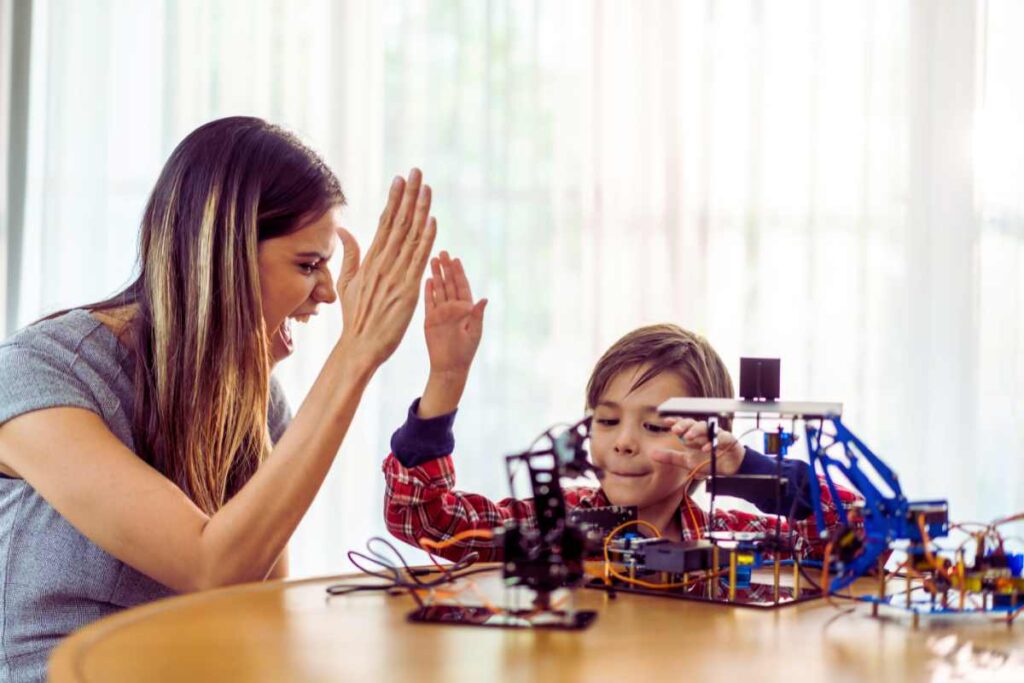
Visual Aids and Games to Explore Emotions
Visual cues make emotions easier for children to understand. They turn invisible experiences like frustration, worry, or pride—into something a child can point to and describe.
Start with emotion charts or emoji cards, which use faces to show a range of feelings beyond “happy” and “sad.” These tools help children identify nuances like confused, nervous, or excited. The Zones of Regulation framework, developed by occupational therapist Leah Kuypers, is another effective approach. It organizes emotions into color-coded “zones” (blue for low energy, yellow for alert, red for intense, and green for calm), teaching kids how to notice and manage emotional shifts.
For digital tools, therapist-approved apps such as Mood Meter (developed by the Yale Center for Emotional Intelligence) and Smiling Mind (an evidence-based mindfulness program) encourage emotional check-ins and mindfulness through guided activities.
You can also find downloadable emotion wheels from CASEL and Empathy Lab, which are excellent for home or classroom use. They help children link feelings with body sensations and coping strategies turning emotional awareness into a teachable skill.
Working With Teachers and Caregivers to Support Emotional Growth
Kids do best when the language at home and school matches. Share a few phrases you use so teachers or caregivers can echo them in the moment.
Helpful alignment
- Common words. Agree on two or three feelings to practice this month, like disappointed, worried, and proud.
- Simple check-ins. Ask teachers what emotion prompts they use so you can mirror them at home.
You’re building one, shared playbook. That consistency helps kids regulate faster in every setting.
Creative Tools for Expressing Hard-to-Name Feelings
Some emotions are too big or too complex for words. Creative expression gives kids a safe, nonverbal outlet to process those feelings while still being seen and understood.
Activities like drawing or coloring feelings can turn abstract emotions into concrete images. For example, a child might draw anger as red lightning or sadness as rain. Therapists often use color associations, animal metaphors, or weather imagery to help kids describe what they feel inside.
Younger children, who communicate best through play, benefit from movement and role-play. Acting out emotions through dance, puppets, or storytelling helps them experiment with empathy and problem-solving in a way that feels natural.
Over time, these creative practices strengthen both emotional awareness and self-regulation, helping children learn that all feelings are manageable and safe to express.
Signs Your Child Might Need More Help | When to Talk to a Therapist
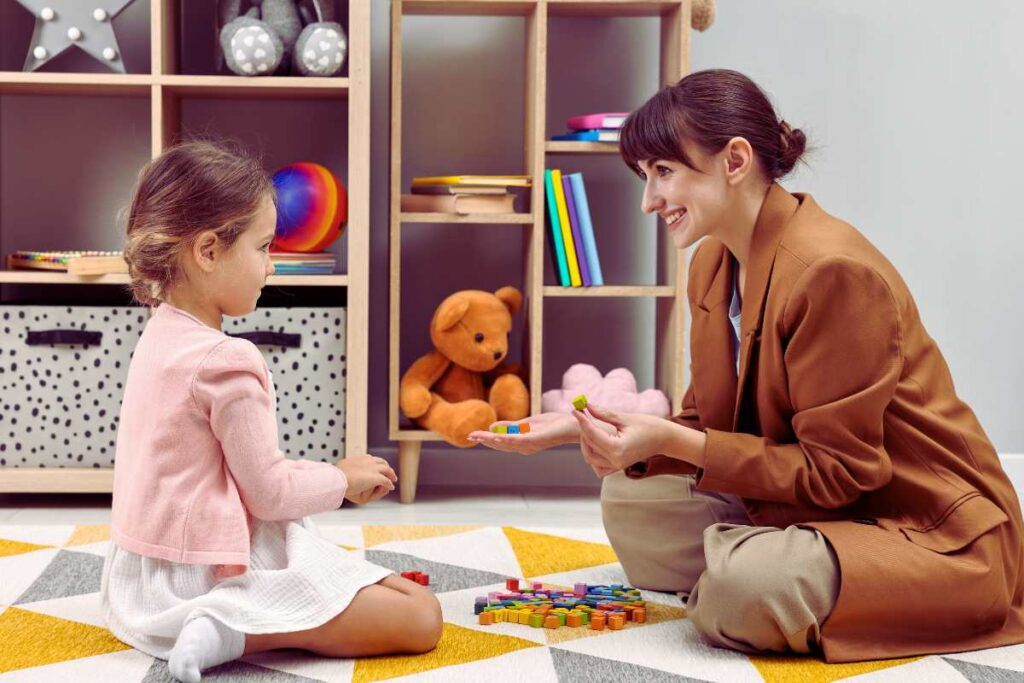
Even in loving, supportive homes, some children struggle to manage emotions in ways that feel overwhelming or confusing for them and their parents. The truth is, every child experiences big feelings, but when those emotions start to interfere with daily life or relationships, it might be time to seek extra support.
Therapy isn’t a sign that something is “wrong.” It’s a step toward understanding and helping your child feel more capable and secure. Recognizing the difference between temporary ups and downs and patterns that signal deeper distress is key.
When Emotional Struggles Become Warning Signs
It’s normal for kids to have bad days, melt down after school, or need time alone. But persistent or extreme reactions may point to emotional overload that deserves attention. According to the American Academy of Child and Adolescent Psychiatry, these are some of the most reliable indicators that professional guidance could help:
- Withdrawal or social avoidance: If your child consistently pulls away from friends, family, or activities they once enjoyed, it may reflect anxiety or sadness rather than simple introversion.
- Frequent physical complaints: Ongoing stomachaches, headaches, or other body symptoms with no clear medical cause often surface when emotions stay bottled up.
- Explosive anger or emotional shutdowns: If intense reactions happen often and don’t resolve even after calm support, it could mean your child’s coping tools are overwhelmed.
What matters most isn’t checking off symptoms it’s noticing change. A shift in sleep, appetite, energy, or mood that lasts several weeks may signal your child is struggling to regulate emotions on their own.
How Child Therapists Help With Emotional Regulation
A child therapist’s role isn’t to diagnose your parenting it’s to help your child feel understood and teach them new ways to manage big emotions. Sessions often take place in a safe, warm, and non-clinical setting, where kids can relax enough to express what’s really happening inside.
Depending on age, therapy may involve play-based approaches (using art, toys, or stories) or talk-based sessions for older children. Through gentle guidance, therapists model emotional naming, problem-solving, and calming strategies—skills children can use long after therapy ends.
Seeking help shows strength, not failure. In fact, it teaches one of life’s most powerful lessons: taking care of your mental health is an act of courage and self-respect.
Reaching out for help can feel daunting, but it’s also one of the kindest things you can do for your child. If you’re noticing these signs and wondering what gentle support might look like, local practices such as children’s mental health services in St. Charles provide spaces designed to help kids feel safe, understood, and ready to talk.
Alternative version : Reaching out for help can feel daunting, but it’s also one of the kindest things you can do for your child. When therapy is framed as support rather than “treatment,” children learn that caring for their emotions is as normal as caring for their bodies—and that lesson can last a lifetime.
Common Parent Questions About Talking to Kids About Emotions | What to Say and When
Parents often search for reassurance about whether they’re “doing it right” when it comes to helping their kids talk about emotions. The truth is, there’s no single script but there are science-backed approaches that make these conversations easier and more effective. The following questions reflect what parents are already asking online, paired with therapist-informed, evidence-aligned answers that build confidence and connection.

How often should we talk about feelings?
Yes, daily is helpful—brief and consistent works best. A one-minute check-in at dinner or a two-question bedtime reflection builds the habit without pressure. It’s the rhythm that matters, not the length.
How do I explain emotions to a 5-year-old?
Yes, you can explain emotions to a 5-year-old just keep it simple and visual. At this age, kids learn best through stories, colors, and faces. Use examples from daily life: “When you fell and cried, that was sadness. When you laughed with your friend, that was happiness.” Picture books like The Color Monster or In My Heart work beautifully because they connect words to feelings in a way children understand.
You can also use mirrors or emoji cards to show expressions and ask, “What face do you think this is?” Labeling emotions early helps children recognize patterns in themselves and others, laying the foundation for empathy and self-control.
What if my child says “I don’t know” all the time?
It’s common and it usually means they feel unsure, not unwilling. Many kids say “I don’t know” because they haven’t learned to connect physical sensations to emotions yet. Instead of pushing for answers, try gentle questions: “Do you feel this more in your tummy or in your heart?” or “Does it feel like sunshine or rain inside you?”
These sensory and metaphor-based questions activate awareness without pressure. Over time, your patience teaches them that it’s safe to take their time identifying what they feel.
Can emotional intelligence be taught to a teen?
Yes—and it’s never too late. Research from CASEL (Collaborative for Academic, Social, and Emotional Learning) confirms that emotional intelligence can grow at any age through consistent modeling and communication. For teens, focus less on “teaching” and more on sharing.
Talk about your own emotions when it fits naturally: “I was nervous before that meeting, so I took a walk to calm down.” This normalizes vulnerability and shows that emotions aren’t a weakness. Tools like journaling, mindfulness apps, or creative outlets such as music and art can also help older kids build emotional awareness without feeling lectured.
Is it okay for me to cry in front of my kids?
Yes, it’s healthy—as long as it’s done with reassurance. When children see you express genuine sadness or frustration calmly, they learn that emotions are normal and temporary. You might say, “I’m feeling sad right now, but I’ll be okay. Sometimes adults need to cry too.”
This approach models emotional honesty without burdening your child with responsibility. What matters is that they see feelings being expressed and managed, not hidden or denied.
What age should you start talking about feelings?
You can start from the very beginning. Babies as young as six months can recognize facial expressions, and by age two, most can begin labeling simple emotions like “happy” and “sad.” Early naming helps wire emotional understanding into daily life.
The Harvard Center on the Developing Child notes that consistent emotional conversations during early childhood lead to stronger self-regulation, empathy, and communication skills later on. In short the sooner kids learn that feelings are safe to talk about, the easier it becomes to keep that openness through adolescence.
How Therapy Supports Emotional Growth at Different Ages
Therapy looks different across childhood because the brain and language grow quickly.
Early childhood
Sessions may use play, art, and simple stories to practice naming emotions and finding calm with a supportive adult.
School-age
Kids learn to link body cues with words and choices. They practice problem-solving and coping skills that fit real situations.
Adolescence
Older kids and teens often benefit from short, direct conversations about stress, identity, and relationships, plus tools like journaling or mindfulness.
Therapy models emotional safety so kids carry those skills into everyday life.
Final Thoughts | You Don’t Have to Be Perfect, Just Present
Here’s the truth—being there matters more than getting it right.
Children don’t need perfect parents. They need steady ones the kind who listen when things get messy and make space for feelings instead of rushing to fix them. You don’t have to know exactly what to say; sometimes just being calm and close is enough to help your child find theirs.
When emotions run high, presence becomes the anchor. It tells your child that feelings big or small are safe to have, and that they don’t have to face them alone. Over time, those small, consistent moments of listening teach something powerful: emotions can be named, understood, and managed.
And if it ever feels like those feelings are bigger than what you can help with, reaching out for extra support is a sign of care, not failure. Families in St. Charles have access to spaces like Cobblestone Collective, where therapy feels more like conversation than treatment a quiet place to sort through emotions and strengthen connection together.
Parenting isn’t about perfection. It’s about showing up again and again with love, patience, and the willingness to listen. That presence becomes the lesson your child carries forward: that even the hardest feelings can be met with calm, understanding, and care.
Helping kids understand feelings isn’t just about getting through tough moments it’s about giving them lifelong tools for empathy, self-awareness, and connection. Every honest conversation, no matter how small, strengthens the foundation of emotional safety your child will keep building on for years to come. You’re not trying to raise a child who never feels sad. You’re raising a child who knows what to do when sadness shows up.
Recommended Tools, Books, and Expert Resources
If you’d like to keep building emotional awareness at home, these research-backed tools and trusted organizations offer practical ways to help children explore their feelings with confidence and safety. Each has been vetted by educators, clinicians, and researchers who specialize in child development and social-emotional learning.
Books That Help Kids Understand Feelings
- The Color Monster: A Story About Emotions by Anna Llenas – A beautifully illustrated book that uses colors to help children recognize and name emotions. Widely used in classrooms and therapy sessions.
- The Invisible String by Patrice Karst – A comforting story that teaches kids about emotional connection and love, even when separated from loved ones.
- Ruby Finds a Worry by Tom Percival – Helps children understand anxiety and how sharing feelings makes them easier to manage.
- In My Heart: A Book of Feelings by Jo Witek – A beautifully illustrated story that helps young children recognize, name, and normalize a wide range of emotions—from happiness and pride to sadness and fear.
Apps and Interactive Tools for Emotional Awareness
- Smiling Mind – A free mindfulness app developed by psychologists and educators to help children and families manage stress through guided meditations.
- Mood Meter – Created by researchers at the Yale Center for Emotional Intelligence, this app helps users identify emotions with precision and track patterns over time.
- The Zones of Regulation – A widely recognized framework and set of tools that teach emotional regulation and self-control through color-coded “zones.”
Credible Organizations and Expert Resources
- Harvard Center on the Developing Child – Publishes accessible research on early emotional development, brain science, and practical tools for parents and educators.
- CASEL (Collaborative for Academic, Social, and Emotional Learning) – The leading organization advancing social-emotional learning (SEL) in schools and communities worldwide.
- American Academy of Pediatrics (AAP) – Provides expert-reviewed resources on child mental health, emotional regulation, and healthy family communication.
These resources can help turn what you’ve learned in this guide into daily practice making emotional growth an ongoing part of your family’s routine.