
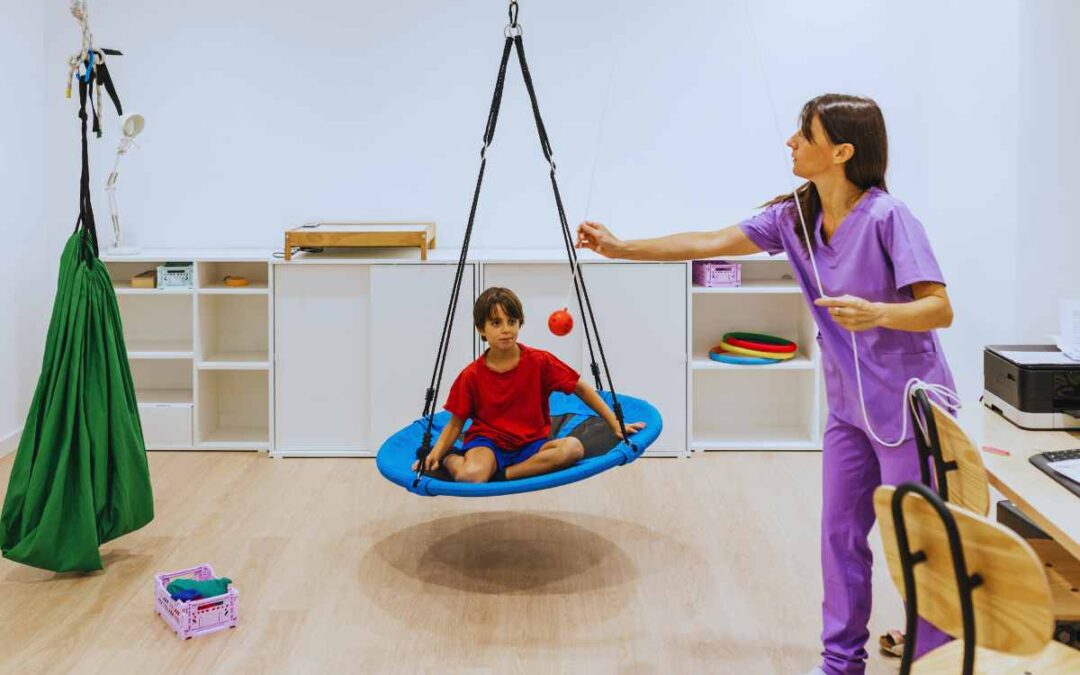
The following post is about play therapy in general and may contain some measures and/or techniques that are not offered by Cobblestone Collective.
If you’ve ever noticed your child acting differently quieter than usual, more irritable, or struggling to focus it’s natural to wonder whether something deeper is going on. Many parents feel uncertain about how professionals assess a child’s mental and emotional health, especially when kids can’t always put their feelings into words.
Here’s the thing: children often express what they feel through play, behavior, or body language rather than direct conversation. That’s why child therapists use observation, relationship‑building, and play‑based activities as key tools in early mental health evaluation. These approaches help reveal how a child experiences the world, manages stress, and connects with others.
Research from the Harvard Center on the Developing Child shows that play supports the development of emotional regulation, problem-solving, and communication—skills that form the foundation for lifelong well‑being. Similarly, the American Academy of Pediatrics (AAP) emphasizes that early identification of social or emotional difficulties can prevent more serious concerns from developing later.
In this article, you’ll learn how licensed child therapists observe, interpret, and support children during assessments. We’ll look at how age-appropriate methods like drawing, storytelling, and structured play help professionals understand emotional patterns, and what parents can expect throughout the process.
Understanding how these evaluations work doesn’t just ease uncertainty it empowers families to take supportive, informed steps toward helping their child thrive.
Essential Insights for Parents
- Child mental health assessments help identify behavioural, emotional, or developmental challenges early—often before they escalate at school or home.
- Therapists use observation and play to understand children in ways that traditional interviews can’t. Naturalistic and structured settings both reveal important behaviours.
- Play-based evaluations aren’t just games. They offer a window into a child’s inner world, especially when verbal expression is limited.
- Parents play a central role in the process, from sharing developmental history to supporting treatment plans and school coordination.
- Assessments are not rushed. They typically unfold over multiple sessions and end with a detailed report or debrief to help families understand next steps.
- Getting a diagnosis doesn’t define your child—it guides decisions. Traits, behaviours, and clinical conditions are all explained in context.
- Treatment plans vary, but may include therapy, school support, and further referrals. Parents are always part of the conversation.
- It’s okay to seek a second opinion if something feels incomplete or unclear. Different professionals (psychologists, counsellors, pediatricians) offer different scopes.
- Common questions—like how to prepare your child, whether to explain the process, or what certain behaviours mean—are normal. A qualified therapist will guide you through each step.
Understanding the Mental Health Assessment Process for Children
When a child is struggling emotionally, socially, or behaviorally, a mental health assessment helps clarify what’s happening—and what kind of support may help. Unlike adult evaluations, child assessments are tailored to a child’s developmental stage and communication style. They focus less on verbal self-reporting and more on observation, interaction, and structured play.

What is a child mental health assessment?
A child mental health assessment is a structured process used by licensed professionals such as child psychologists, licensed professional counselors (LPCs), or clinical social workers to understand how a child is functioning emotionally, socially, and behaviorally. This may involve interviews, behavior checklists, play-based observations, and developmental history.
The assessment doesn’t result in a “label” it’s a tool to help identify patterns, strengths, and areas where a child might be struggling to cope or connect. Findings may guide therapy, classroom strategies, or referrals to other services.
Why These Assessments Matter
Early assessments are not about pathologizing normal behavior they’re about identifying when something may be getting in the way of a child’s development. Delays in language, difficulties with emotional regulation, trouble making friends, or intense reactions to routine changes can all signal that a closer look may be helpful.
The Centers for Disease Control and Prevention (CDC) and the American Academy of Pediatrics (AAP) both recommend early screening when there are concerns about milestones or behavior. Timely assessment can connect families with supports that prevent issues from worsening or becoming harder to manage over time.
Who Typically Refers a Child for Assessment?
Referrals can come from different places.
- Parents or caregivers may notice changes in mood, behavior, or sleep that feel out of step with typical development.
- Pediatricians often flag concerns during routine well-child visits, especially when screening tools indicate emotional or behavioral stress.
- Teachers or early childhood educators may observe patterns like withdrawal, aggression, or attention challenges in classroom settings.
No single behavior on its own determines the need for a mental health evaluation. It’s the pattern, duration, and intensity of symptoms especially across different settings—that guide whether an assessment may be helpful.
Types of Age-Appropriate Assessments Used by Therapists
Child and adolescent mental health assessments aren’t one-size-fits-all. What works for a 3-year-old won’t work for a 13-year-old. That’s why therapists use developmentally appropriate tools and techniques tailored to the child’s age, communication style, and cognitive abilities. These assessments combine clinical best practices with evidence-based tools that have been validated for different stages of development.

Developmental Screenings (Ages 0–5)
For infants, toddlers, and preschoolers, mental health concerns often present as developmental delays, social withdrawal, or intense emotional reactions. Since very young children can’t verbalize their internal experiences, therapists rely on behavioral cues, caregiver input, and structured screening tools.
Two of the most widely used tools for this age group include:
- Ages and Stages Questionnaires (ASQ) – Screens communication, motor skills, problem-solving, and social-emotional development.
- Modified Checklist for Autism in Toddlers (M-CHAT) – Screens for early signs of autism spectrum disorder in children between 16 and 30 months.
Therapists may also use play-based observations to assess attachment behaviors, sensory sensitivity, and emotional regulation. Caregiver interviews help place behaviors in context what’s typical for this child, and what might be concerning?
Psychological Evaluations (Ages 6–12)
As children enter school-age, more formal evaluations become appropriate. These often include standardized rating scales, direct observation, and sometimes performance-based testing.
Common tools include:
- Behavior Assessment System for Children, Third Edition (BASC-3) – Assesses externalizing/internalizing behaviors, emotional symptoms, and school problems.
- Child Behavior Checklist (CBCL) – Gathers parent/teacher reports about behavioral and emotional functioning.
Evaluations for this age group may explore executive functioning, attention span, social challenges, and academic frustrations. Children may also begin to express emotional states verbally, which helps therapists better understand internal struggles like anxiety or low self-esteem.
Adolescent Assessments (Ages 13+)
Teens are more capable of self-reflection, but that doesn’t always mean they’re eager to talk. Therapists combine self-report questionnaires, structured interviews, and cognitive tools to get a fuller picture.
Some commonly used tools for teens include:
- Children’s Depression Inventory 2 (CDI-2) – Assesses depressive symptoms in ages 7–17.
- Youth Self-Report (YSR) – Captures internalizing/externalizing problems from the teen’s perspective.
With adolescents, therapists assess identity development, peer relationships, trauma exposure, and risk behaviors such as substance use or self-harm. The process remains collaborative, with an emphasis on building trust and making the teen feel heard without judgment or pressure.
Observation Techniques Therapists Use
Mental health professionals don’t rely solely on forms or interviews. Observation is a cornerstone of how therapists understand a child’s emotional and behavioral functioning. Depending on the child’s age and the concerns raised, therapists may watch how the child behaves across different settings either naturally or in a structured environment.

Naturalistic Observation
Naturalistic observation involves watching the child in real-life environments like home, school, or daycare without direct interference. This can reveal patterns that don’t always emerge in clinical settings. Therapists may consult with parents, teachers, or childcare staff to get a well-rounded view of how the child navigates daily routines, social interactions, transitions, and stress.
Common traits observed:
- Peer relationships (cooperative play, conflict resolution)
- Emotional expression (tantrums, shutdowns, anxiety cues)
- Adaptability to changes or unstructured time
- Attention span and task completion
Structured Observation
Structured observation happens during scheduled sessions. These are guided interactions through conversation, drawing, board games, storytelling, or tasks that allow the therapist to monitor specific domains:
- Impulse control: Does the child interrupt, grab materials, or need reminders?
- Emotional regulation: How do they handle disappointment or feedback?
- Social cues: Are they picking up on tone, turn-taking, or facial expressions?
- Attention and focus: Can they stay on topic or complete age-appropriate tasks?
Therapists take detailed notes not to “catch” the child doing something wrong, but to track strengths, challenges, and developmental patterns. These observations often complement formal assessment tools, giving a more holistic view of how the child processes and reacts to the world around them.
How Play-Based Evaluations Work
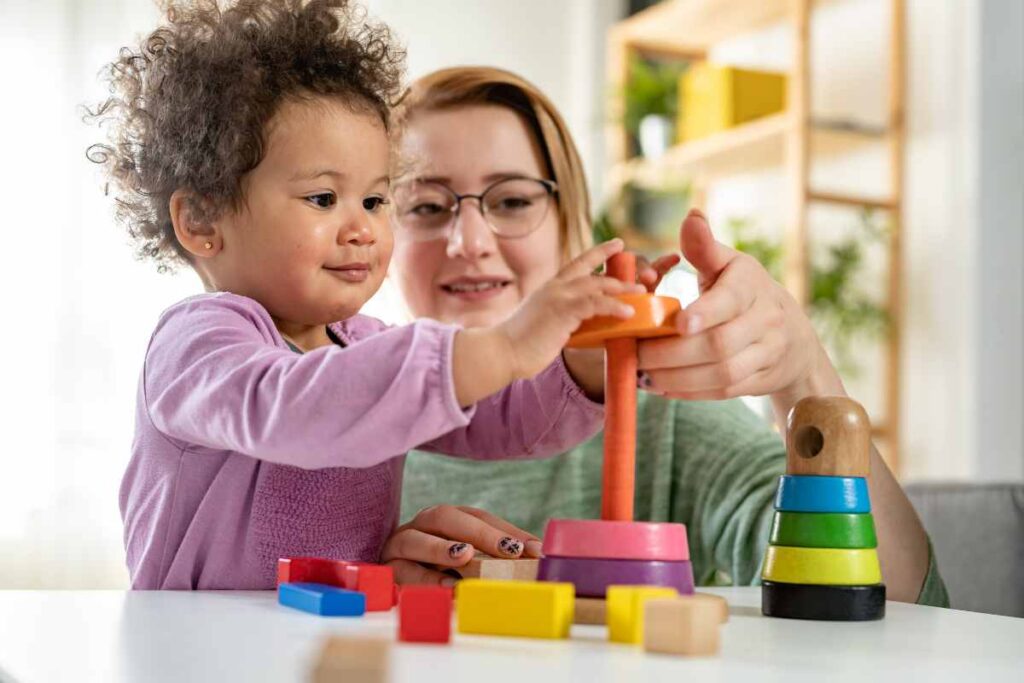
Play is the language of childhood. When children can’t put their feelings into words, therapists turn to play-based evaluations to understand what’s happening beneath the surface. These sessions aren’t just “fun time” they’re guided opportunities to observe emotional patterns, problem-solving skills, and the way a child experiences relationships. Every toy, drawing, and gesture can help a therapist see what the child may not yet know how to say.
Why Play Is Central to Understanding Children
For many kids, especially under age ten, toys become words and stories become emotions. Therapists trained in Child-Centered Play Therapy (CCPT), Filial Play, or Sand Tray Therapy use these methods to create a safe, nonjudgmental space where feelings can emerge naturally.
During these sessions, the therapist follows the child’s lead observing how they build, destroy, nurture, or protect through play. This approach reflects evidence from the Association for Play Therapy (APT) and American Psychological Association (APA), showing that symbolic play helps children process experiences like fear, loss, or frustration in developmentally appropriate ways.
What Therapists Observe During Play
While the toys may look simple, the insights they reveal are powerful. Therapists pay attention to recurring themes, emotional intensity, and how a child interacts with materials. Common observations include:
- Thematic patterns: Repeated stories of danger, rescue, or control may signal emotional conflict.
- Aggression or fear: Acting out battles or hiding characters might reflect anxiety, anger, or insecurity.
- Nurturing roles: Caring for dolls, animals, or figures can show empathy and attachment needs.
A common parent worry from online forums is:
“What if my child just plays quietly? Is that a bad sign?”
In reality, quiet play isn’t negative by itself. Some children explore internal worlds through silence or repetitive play. Therapists look at the quality and pattern of engagement over multiple sessions not one isolated moment. What matters is whether the child feels safe enough to express themselves freely, not how loud or active their play appears.
Tools and Props Commonly Used
The environment of a play-based assessment is intentional. Every item in the room serves a therapeutic purpose — chosen for its ability to invite imagination and expression. Common materials include:
- Puppets and dolls: Help children act out family or peer relationships.
- Sand trays: Allow safe exploration of control, fear, or uncertainty.
- Art supplies: Drawing and coloring let children symbolically express complex emotions.
- Miniatures or building toys: Encourage problem-solving, story sequencing, and role play.
Therapists never interpret every drawing or story at face value. Instead, they observe themes that repeat over time aggression, protection, caregiving, or isolation and use them as discussion points for deeper understanding.
What Parents Should Expect During the Process
Starting a psychological or developmental evaluation for your child can feel overwhelming especially when you don’t know what to expect. This section breaks down the typical steps so you can walk in informed, prepared, and confident. While exact processes may vary slightly between clinics, the core components are fairly consistent across licensed providers in the United States.
Intake & Interview Process
The evaluation begins with an intake interview a detailed conversation between the clinician and the parent or guardian. This is not just a formality. It’s where crucial context is gathered to understand the child’s history, functioning, and daily life.
You’ll be asked about:
- Developmental milestones (e.g., first words, toilet training, motor skills)
- Medical history, including birth complications, hospitalizations, or diagnoses
- Educational background, such as school performance, IEPs, or teacher concerns
- Family history of mental health, learning differences, or neurodevelopmental conditions
- Home routines and challenges, including sleep, behavior, and emotional regulation
This information helps the clinician understand whether current concerns represent a delay, a disorder, or a difference in how your child experiences the world. It also ensures any diagnosis is made with appropriate cultural, environmental, and contextual awareness a requirement under guidelines from the American Psychological Association (APA) and DSM-5-TR standards.
How Long the Evaluation Takes
Parents often ask, “Is this a one-day thing?” Not usually. A full evaluation may include:
- 1–2 intake sessions with caregivers
- 2–4 testing sessions with the child (depending on age and assessment scope)
- Optional teacher input or school forms
- Scoring and clinical interpretation time
Total time: Anywhere from 4 to 10 hours, spread across multiple days. Children are never rushed sessions are paced to respect attention spans and emotional readiness.
When You Get Results (And In What Format)
After all sessions are completed and the data has been reviewed, you’ll be invited to a feedback or debriefing session. This is where the clinician walks you through:
- Diagnostic findings (if applicable)
- Strengths and areas of need
- Recommended services or accommodations
- Next steps, whether that’s therapy, school supports, or follow-up referrals
You’ll also receive a comprehensive written report. This document typically includes standardized test scores, behavioral observations, and a summary of clinical impressions written in a way that schools and medical professionals can interpret clearly.
Clinics follow privacy laws (HIPAA) and state board regulations to ensure this report is securely shared and properly explained. If needed, they may also coordinate with your child’s pediatrician, school, or other care providers but only with your consent.
How to Prepare Your Child (and Yourself) for the Assessment

The days leading up to your child’s psychological assessment can feel uncertain but the prep doesn’t have to be complicated. Your job isn’t to “get them ready” like a test. It’s to set the tone.
Start by keeping the conversation simple and pressure-free. You might say, “You’re going to meet someone whose job is to play and talk with kids to help them feel better.” That’s often enough. Avoid phrases like “doctor” or “test,” which can create anxiety or confusion.
Let your child bring a comfort object if they want something familiar like a stuffed animal or small toy. Dress them in clothes they feel relaxed in. Make sure they’re well-fed and rested. Small things matter.
For yourself, come in with honesty and curiosity. Write down your questions in advance. Bring school reports, previous evaluations, or anything you’ve noticed about your child’s behavior or emotions. Your observations will help the therapist tailor the assessment to your child’s needs.
If you’re unsure what kinds of questions will be asked or what the session will involve, it’s okay to ask beforehand. Many parents find it helpful to first meet with the provider alone or explore options like child therapy services in St. Charles to understand the process.
The key takeaway? You’re not preparing your child to perform. You’re preparing them to feel safe being themselves.
How Do Therapists Explain Child Mental Health Diagnoses to Parents
When the evaluation process ends, the most important part begins: making sure parents understand what the results actually mean. A therapist doesn’t just hand over a diagnosis and walk away. They interpret the findings in plain language and help families connect the dots.
A formal diagnosis is based on patterns of behavior that meet specific criteria in manuals like the DSM-5 (Diagnostic and Statistical Manual of Mental Disorders). But a diagnosis does not define your child. It’s a framework a way to name and understand certain challenges so support plans can be built around them.
Parents often ask, “Does this mean something is wrong with my child?” The answer is more nuanced. Therapists explain the difference between traits, behaviors, and conditions:
- Traits might be personality-based—like being shy or highly sensitive.
- Behaviors could reflect learned responses to environment, trauma, or stress.
- Clinical conditions are patterns that significantly interfere with a child’s ability to function, learn, or relate to others.
Therapists also distinguish symptoms from the context in which they appear. For example, emotional outbursts might be linked to sensory overload, not necessarily a mood disorder. A child who struggles in school may have ADHD or may be reacting to inconsistent teaching methods or undiagnosed dyslexia.
Here’s the thing: getting a diagnosis doesn’t mean your child is broken. It gives language to what you’ve likely already noticed. And most importantly, it opens the door to next steps whether that’s therapy, school accommodations, home strategies, or referrals for additional services.
What Happens After the Assessment?
Building a Treatment Plan
Once the evaluation is complete and findings have been explained, the next step is building a personalised treatment plan. This is not a one-size-fits-all process. It depends on the child’s developmental profile, diagnosis (if one was made), and the specific areas where support is needed.
Depending on the outcome, the plan may include:
- Play Therapy – especially effective for younger children who communicate better through play than conversation.
- Cognitive Behavioral Therapy (CBT) – often used with older children or teens to build coping strategies and address thinking patterns.
- Parent–Child Interaction Therapy (PCIT) or Family Therapy – when relational dynamics are part of the concern.
- School-Based Support – therapists often coordinate with school psychologists or special education teams to recommend accommodations or initiate an IEP (Individualized Education Program) or 504 plan if warranted.
In most cases, therapists work collaboratively with other professionals like pediatricians, occupational therapists, or speech-language pathologists, especially if the evaluation revealed overlapping developmental concerns. Coordination across settings helps ensure the child gets consistent, well-informed care.
For families navigating school-related challenges, it’s often helpful to consult with a child therapist who specializes in school behavior and emotional regulation, especially when the home-school disconnect is contributing to stress or confusion.
When to Seek a Second Opinion
Not every evaluation is perfect. If something doesn’t sit right either with the process or the conclusions it’s reasonable to seek a second opinion. Warning signs might include:
- The evaluator spent very limited time with your child.
- You were not interviewed or your concerns weren’t factored in.
- The report feels vague, overly generic, or inconsistent with what you observe at home or school.
- Recommendations seem too extreme or too minimal for the child’s needs.
It’s also important to know who conducted the assessment. In California and most states, a Licensed Clinical Psychologist (PhD or PsyD) is typically qualified to conduct formal psychological evaluations. While Licensed Professional Counselors (LPCs) or Licensed Clinical Social Workers (LCSWs) play critical roles in therapy, they may not be licensed to diagnose certain conditions depending on the state. School counselors and school psychologists can offer valuable insights, but their evaluations may be limited to academic and behavioral scopes.
Getting a second opinion doesn’t mean starting from scratch it can often clarify or expand on previous findings and lead to better outcomes. The goal is to make sure you have a full, accurate picture before moving forward with treatment.
Are There Any Limitations to Play-Based Assessments?
Play-based assessments are powerful tools for understanding a child’s development, behavior, and emotional world but they’re not standalone diagnostic instruments. They must be interpreted within the broader context of a child’s history, environment, and overall clinical picture.
Here’s what parents should understand:
- Not a one-and-done diagnosis tool
A play-based evaluation can reveal patterns and concerns, but it’s not designed to provide instant or conclusive diagnoses. Formal diagnoses—like ADHD, autism, or anxiety—require additional methods, such as structured interviews, standardized tests, and behavioural observations across multiple settings. - Context is everything
To make the assessment meaningful, clinicians integrate background history, school reports, and input from caregivers. A child’s behaviour in a playroom doesn’t tell the whole story; it’s just one window into how they think, feel, and cope. - Cultural context matters
Children from different cultural or linguistic backgrounds may approach play differently. Certain behaviours that seem “unusual” in one setting may be typical in another. A qualified clinician will interpret play with cultural sensitivity to avoid bias or mislabeling. - Collaboration strengthens accuracy
The most reliable assessments draw on multidisciplinary insights—this might include educators, occupational therapists, speech-language pathologists, and pediatricians. When teams share perspectives, the conclusions are more robust and tailored to the child’s real-life challenges.
This honest look at the limitations helps protect parents from false reassurance or premature labeling, and ensures they feel confident in asking follow-up questions. A skilled clinician will always explain how play-based observations connect to broader findings and next steps
What Makes a Psychological Assessment Trustworthy?
When a child is referred for a psychological evaluation, one of the most common concerns parents raise is: “How do I know this provider is actually qualified to assess my child?” That question deserves a clear, evidence-based answer because trust in the process is foundational to the outcome.

Licensed to Diagnose and Treat
A trustworthy assessment begins with the evaluator’s professional credentials. In most US states, only Licensed Clinical Psychologists (PhD or PsyD), Licensed Professional Counselors (LPCs), or Licensed Clinical Social Workers (LCSWs) can perform formal psychological evaluations and offer diagnoses. These professionals must meet state-level licensing requirements, including graduate-level education, clinical supervision hours, and national board exams.
If you’re unsure about a provider’s license, you can check with your state’s Board of Behavioral Health Examiners or Psychology Licensing Board for verification.
Child-Specific Training and Experience
Working with children is not the same as working with adults and not every licensed therapist is trained to assess developmental, emotional, or behavioral conditions in youth. A qualified evaluator will have specific experience conducting assessments with children, ideally across various age groups and presenting concerns (e.g., ADHD, autism spectrum disorders, anxiety, or learning differences).
Look for therapists who routinely conduct school-readiness evaluations, developmental screenings, or have prior experience working in child-focused clinics or educational settings.
Cultural and Linguistic Responsiveness
Culture, language, and lived experience all shape how children express emotion, manage stress, and interact socially. Trustworthy assessments take this into account. Culturally responsive evaluators use norm-referenced tools that are appropriate for the child’s background and avoid misinterpreting behaviors through a biased lens.
This is especially important when working with multilingual families or neurodiverse populations where certain communication or behavioral patterns might be misunderstood.
Collaborative, Not Isolated
No one professional sees the full picture. A well-rounded assessment involves coordination across systems: parents, teachers, school psychologists, and pediatricians. High-quality evaluators will often request input from teachers, review IEPs, or even speak with your child’s doctor to ensure the results are complete and contextually accurate.
If your child is already in therapy, or if you’re unsure how to bring these supports together, you might consider speaking with a child therapist who can coordinate care and help interpret findings alongside other providers.
What Parents Ask Before and After a Child Evaluation
What’s the difference between an educational and clinical evaluation?
Educational evaluations are typically arranged through your child’s school to identify learning needs or determine eligibility for support services like an Individualized Education Program (IEP). They focus on academic skills, cognitive development, and classroom behavior. Clinical evaluations, on the other hand, are conducted by licensed mental health professionals outside of the school system. These look deeper into emotional, behavioral, and psychological concerns, such as anxiety, depression, or ADHD.
Can therapists diagnose autism, ADHD, or anxiety?
Yes, but only certain licensed professionals can provide formal diagnoses. Clinical psychologists, neuropsychologists, and psychiatrists are typically qualified to diagnose conditions like autism spectrum disorder (ASD), ADHD, anxiety disorders, and others based on standard diagnostic criteria (e.g., DSM-5). Therapists such as Licensed Clinical Social Workers (LCSWs) or Licensed Professional Counselors (LPCs) may contribute insight, but may not independently diagnose unless trained and licensed to do so.
Do I need to tell my child they’re being evaluated?
Yes, in most cases it’s helpful to prepare your child, using developmentally appropriate language. Explain that the sessions are a way to understand how they think and feel, and that the adult they’ll be meeting is there to help not to test or judge them. Framing it as a way to help them feel better or succeed in school can ease anxiety and build trust.
How do I prepare my child for the assessment?
Keep things simple and reassuring. Let your child know they’ll be talking, playing, or doing activities with someone who wants to understand them better. You don’t need to coach them—just encourage honesty and remind them there are no right or wrong answers. If your child is receiving play therapy, mention it’s similar to that safe, comfortable setting.
What if my child refuses to participate?
It happens. Some children may feel overwhelmed or unsure in a new environment. Therapists are trained to gently build rapport over time. If resistance persists, they may pause or reschedule sessions and suggest different methods of gathering information. Open communication with the therapist can help adjust the approach based on your child’s needs and comfort level.
Support Your Child Through the Process
Supporting your child through a psychological assessment isn’t just about attending appointments it’s about creating emotional safety. Be honest with them about what’s happening, but keep it developmentally appropriate. Avoid using pressure or big labels. Most kids respond better when they know they’re being supported, not scrutinized.
Don’t be afraid to ask your provider questions. If something feels unclear, speak up. A good therapist will welcome your curiosity and help you understand what each part of the process means for your child’s development and wellbeing.
And remember: play is never “just play.” It’s how many children communicate what they can’t say directly. Observing how they play, interact, and respond during an assessment gives therapists deep insight into emotional and cognitive patterns.
If you’re navigating this process and looking for trusted, child-focused support in St. Charles, Cobblestone Collective is here to walk alongside you. We priorities compassion, clarity, and collaborative care every step of the way.
Trusted Resources for Play-Based Therapy
Association for Play Therapy (APT)
https://www.a4pt.org/page/WhyPlayTherapy
American Psychological Association (APA)
https://www.apa.org/topics/children
National Institute of Mental Health (NIMH)
https://www.nimh.nih.gov/health/topics/child-and-adolescent-mental-health
Harvard Center on the Developing Child
https://developingchild.harvard.edu/key-concept/serve-and-return
BASC-3 (Behavior Assessment System for Children, Third Edition)
https://www.pearsonassessments.com/en-us/Store/Professional-Assessments/Behavior/BASC-3/p/100000771
Vineland Adaptive Behavior Scales